


Development Exists, But Lacks Direction
Many organizations do 1-on-1s, but the results are hard to feel because there's no clear baseline, discussions often repeat, and progress isn't recorded. Eventually, coaching & counselling becomes a meeting routine—not a development process that can be evaluated.
- Sessions often discuss the same things because there's no summary and context from previous meetings
- Feedback tends to be too general and doesn't lead to specific changes
- Development focus varies because there's no consistent baseline
- Hard to determine priorities: what needs coaching, what's enough with counselling
- Development progress isn't visible because there are no monitored goals per period
- Coaching impact is hard to evaluate because there's no organized data trail
Guidance Starts from Data, Not Assumptions
At Jenjang, coaching & counselling begins with Psychological Assessment results as the baseline. These results help determine relevant focus areas, then sessions run with consistent agendas, neatly documented, and progress tracked per period.
Assessment-Driven Focus
Guidance focus is determined from measurable strength/gap areas, so sessions hit the right target.
More Focused Sessions
Agenda templates + concise notes keep discussions on track and avoid starting from zero.
Visible Progress
Goals per period help track development from session to session—not just "already had a meeting".
One Framework for Coaching and Counselling
Coaching and counselling use the same structure, the difference lies in the session purpose. Coaching focuses on specific habit/skill changes, while counselling focuses on guidance and strategy based on experience—both are documented and measurable in one flow.
Start from assessment results to determine relevant development focus.
Choose session context without changing the structured process—stays organized and comparable.
Set development goals (e.g., 4-8 weeks) as the common thread across multiple sessions.
Each session produces a summary, decisions, and next session focus so context isn't lost.
Monitor goal progress per period to see real movement and determine follow-up actions.
Guidance Starts from Data, Not Assumptions
At Jenjang, coaching & counselling begins with Psychological Assessment results as the baseline. These results help determine relevant focus areas, then sessions run with consistent agendas, neatly documented, and progress tracked per period.
Guidance focus is more on target because it starts from assessment results
Session structure is more consistent with agenda templates and very organized notes
Development progress is visible per period through goal tracking, not just meeting frequency
Makes it easier for managers to run 1-on-1s with the same standards across the team
Easier to evaluate guidance impact because there's data trail and session summaries
Suitable for both coaching and counselling needs in the same framework
Supported by Other Features
Coaching & Counselling in Jenjang is strengthened by data from other features, making every session more targeted and evidence-based.
Psychological Assessment
Assessment data becomes a baseline for comparing and evaluating candidates or employees consistently.
Learn MoreATS (Recruitment)
Automated recruitment pipeline from CV intake, Fit Score, to qualification-based interview invitations.
Learn MoreHRIS
Manage employee data, attendance, leave, and other HR activities in one integrated platform.
Learn MorePayroll
Automatically calculate payroll from attendance, overtime, and leave data, with flexible components and layered owner approval.
Learn MoreTalent Mapping
Mapping potential, readiness, and development areas for more strategic talent management.
Learn MorePerformance Measurement
KPI measurement and objective performance evaluation with measurable data baselines.
Learn MoreJob Fit Analysis
Per-dimension fit scores mapped to role requirements to produce clear Fit Score + gaps.
Learn MoreJenjang Digital Identity
Track records and achievements become a valuable, verifiable digital identity.
Learn MoreDownload Jenjang Now
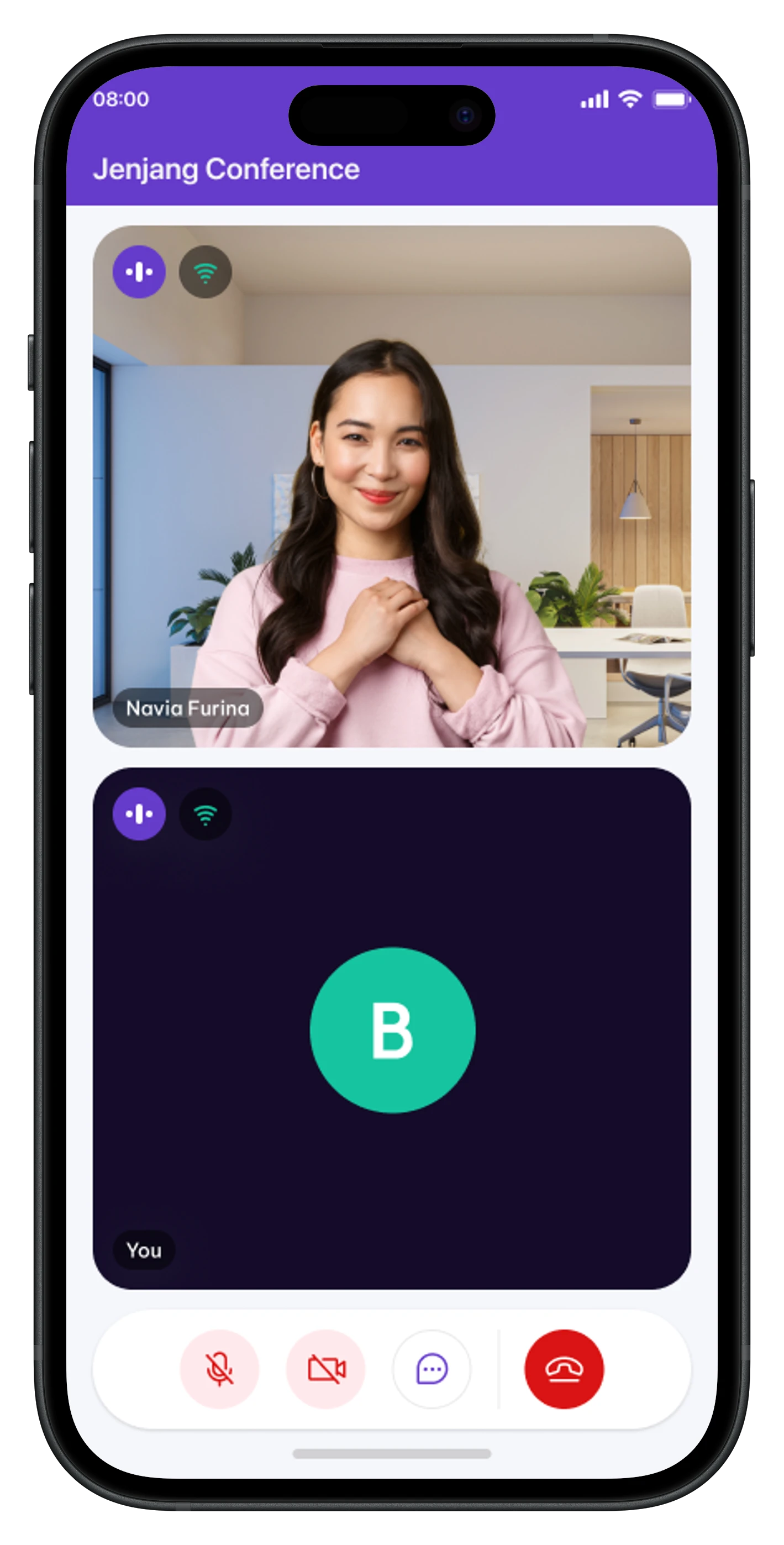
Access Jenjang Coaching & Counselling features directly from your smartphone. Record sessions, monitor progress, and manage goals anytime, anywhere.